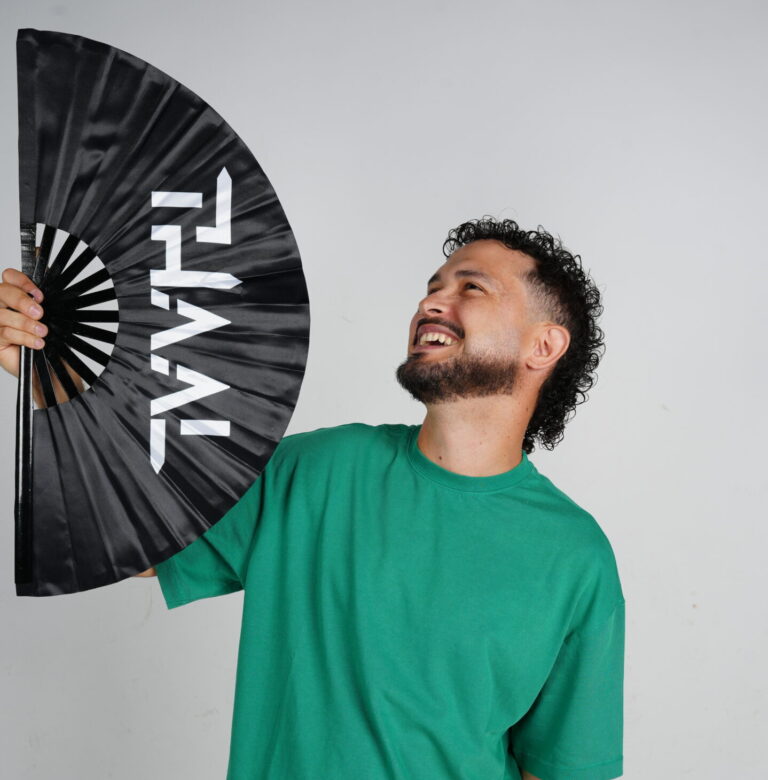
Rebuilding an artistic career in another country demands courage, resilience, and a deep love for music. This is precisely the journey lived by Thaal, a DJ who found in Dublin the ideal setting to rescue and expand his passion for electronic music, which began back in 2008 behind the scenes of event productions.
Navigating challenges that tested his dedication—including overcoming a financial scam through learning and maturity—Thaal is now organically reaping the rewards of his hard work. Moving smoothly through Tribal House, striking percussion, engaging vocals, and hints of Afro House, Tech House, and Pop, he has been conquering major dance floors in Ireland, England, Italy, and Portugal.
Below, we talk with the artist about his international trajectory, the concept behind his latest project “O Thaal Set, After Party,” and his plans to cross the ocean and reconnect with the Brazilian public.
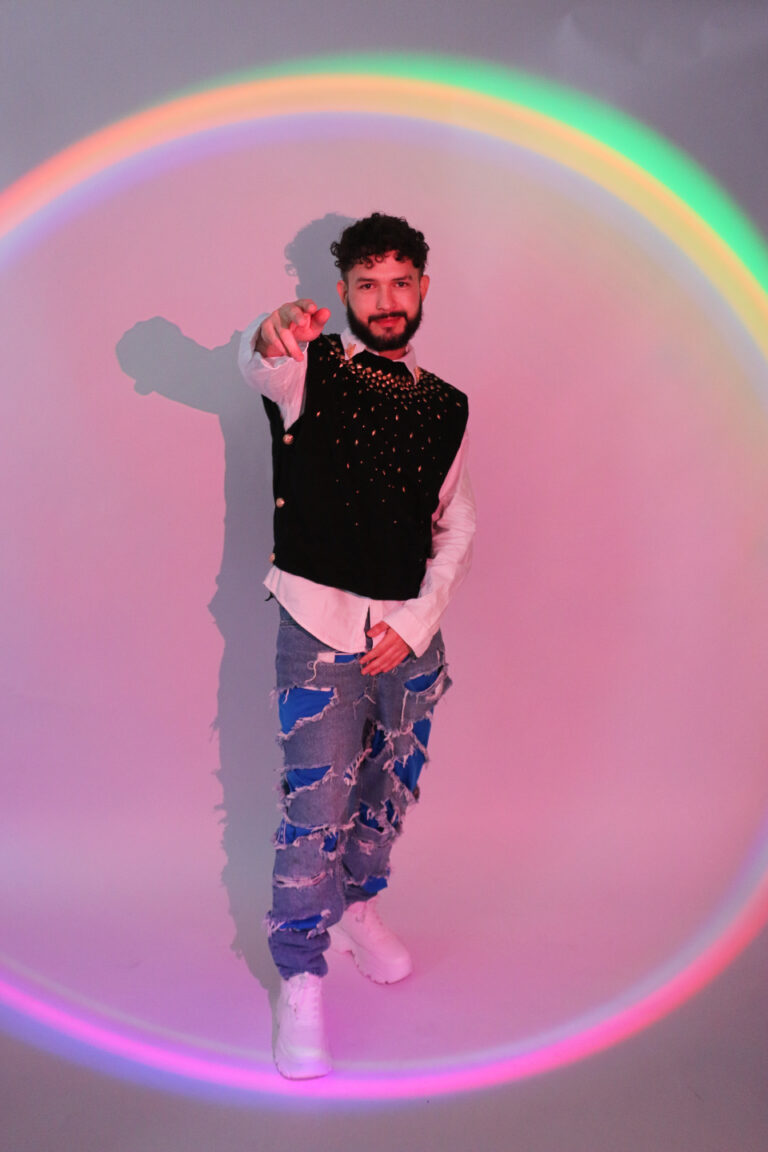
Thaal, how did your relationship with electronic music begin, and what motivated you to take that break and make the courageous decision to resume your artistic project while living in Dublin?
My relationship with electronic music started in 2008, when I began promoting events. During about three years of working in production, I had more and more contact with DJs, met people from the scene, made friends, and closely understood how that profession worked. Little by little, I fell in love not only with the music, but with everything involved in being a DJ, the backstage environment, and the experience created on the dance floor. That’s when I realized I also wanted to live this professionally.
When I moved to Europe, this project ended up taking a backseat for a period due to other life challenges I had to overcome. Resuming my career in Dublin was a very personal decision—realizing that I still had something to build through music and didn’t want to keep postponing it. I started over in a new country, building my identity as Thaal DJ, and over these past two years, I transformed that passion that started in 2008 into a real career.
Rebuilding a career from scratch in Europe requires courage and heavy financial and emotional investment. How was it carving out a space in the international scene and dealing with tough moments, like the scam you suffered during this process? What kept your resilience intact?
It was a process of great persistence, because rebuilding a career in another country means starting practically from zero. You need to invest time, money, build connections, and often prove your work before gaining ground.
During this process, I ended up going through a situation that served as a massive lesson. A person approached me making many promises, starting with a service to distribute my sets to digital platforms and later offering performance opportunities in Brazil. He began presenting supposed dates in different cities, even mentioning well-known clubs in Salvador, São Paulo, Brasília, and even Colombia and Chile. He presented company documents and records, projected trust, and started arranging flights and accommodation with the promise that producers would reimburse them. When the dates arrived, I realized none of it existed. I contacted some of the mentioned clubs directly and discovered they didn’t even know this person.
It was a financial hit, but also a huge professional lesson. When you’re starting out and desperately want to show your work, gain space, and prove you deserve to be there, an anxiety can make you drop your guard. Today, I understand even more the importance of seeking references, confirming information directly with those involved, and not letting the desire for an opportunity speak louder than the need to verify if it’s real.
“Despite that, I didn’t let the experience stop me. On the contrary, it made me more attentive and better prepared. I think resilience is also about that—understanding what happened, learning from it, and continuing to build.”
You’ve shared the booth with major pop and Brazilian electronic music names like Pedro Sampaio, Gloria Groove, Gretchen, Allan Natal, and Fran Albuquerque for crowds. How did this background strengthen your name in the European circuit to secure gigs at parties like Profile and Sunset Party in Dublin, and Rainbow Rodeo in Portugal?
Having the opportunity to share the decks with major names from the Brazilian pop and electronic scene was crucial for my development as an artist. Each experience brought me a different vision regarding the stage, the crowd, production, and how a DJ needs to adapt to different moments and dance floors.
This also gave me more confidence and preparation to build my own path in Europe. Gradually, I started receiving more recognition and support from artists and professionals I admire, which opened new doors. Now, playing at major parties in Dublin and Portugal, sharing the decks with other heavyweights like Ma Rodrigues, Adham, and Rayka Vittar, represents a lot of this growth moment. I’m also very happy to share these moments with friends living through this exact same phase of building, growth, and hustle, like Bruno Garcia and Denys Chavez. It’s very special to grow alongside people who are in the same fight and rooting for each other.
For me, it’s very special to realize that the work that started a few years ago is gaining more space and recognition outside Brazil. I’m still building this trajectory, but I feel I am at a very important moment in it.
Today, seeing your work bear organic fruit and receiving such a warm response from overseas audiences, what does it feel like to harvest the results of so much effort after this restructuring period?
It’s a feeling very hard to explain, because I know exactly how much work exists behind every single achievement. After going through a restructuring period, starting to realize that people are getting to know my work, connecting with what I do, and above all, coming back to hear me play, is deeply rewarding.
The most special thing for me is seeing this happen organically. It’s not just about numbers or playing in certain venues, but about realizing there is a real connection between my work and the audience. When someone comes up to talk to me after a set, when someone shares a track or shows up again at another gig, I feel I’m building something that goes beyond simply playing music—it’s connecting us.
After everything that happened in this process, harvesting these fruits gives me the sense that all the effort made sense. At the same time, it gives me even more drive to keep going, because I feel this is still just the beginning.
Your latest project, “O Thaal Set, After Party,” synthesizes your current moment well. What is the concept behind this set, and how does it consolidate the maturity of your sound?
O Thaal Set, After Party represents the moment I’m living right now as an artist very well. It was born largely from conversations with friends, my experience in after-parties, what I listen to, and also what I notice people enjoy hearing on the dance floor. It’s a build deeply tied to the real experiences I’ve been living.
“Rather than just making a set with what people already expect to hear, I love the idea of presenting things they might not have known they wanted to hear—until they listen and realize they love it. That surprise and connection with the crowd is what I aim to create.”
My sound still retains Tribal House as its essence, but today I feel much more secure moving through different influences and building a narrative. I think After Party precisely represents that maturity: having a well-defined identity while keeping the freedom to experiment and surprise.
Your trademark is Tribal House with heavy percussion and vocals, but you add touches of Afro House, Tech House, and Pop. How do you calibrate this musical fusion to create an atmosphere of unique freedom and intensity on European dance floors?
My sound was also built on versatility. Throughout my journey, I’ve played different formats of events, from open format parties passing through Funk, Pop, House, and other styles, to private events. This allows me to understand different audiences and incorporate those references into my work. Today, I bring all these references and experiences together inside my Tribal House identity, creating a bridge between different types of parties in a single moment.
Although this new set clearly expresses your current identity, it doesn’t limit your work behind the decks. How does your versatility across different styles help adapt your performances without losing your artistic signature?
To me, versatility doesn’t mean losing an identity; it means knowing how to adapt that identity to the context. I can play different styles depending on the crowd, the event, and the vibe of the dance floor, but I always try to bring elements that are part of my signature—especially the energy and the way of building an experience. I think this capacity to transition between different styles allows me to converse with various audiences without ever ceasing to be Thaal.
With new confirmed dates and constantly expanding reach across Ireland, England, Italy, and Portugal, what new countries, festivals, and clubs are on your radar for the coming months?
I have a few markets on my radar, mainly Spain, France, and Germany, alongside continuing to strengthen my presence in the countries where I’m already working. I also really want to turn my attention back to Brazil. Despite living far away, I am still Brazilian, and my Brazilian roots are heavily present in everything I do—from my sound to how I relate to the crowd. I have a huge desire to bring this experience I’m building in Europe back to the Brazilian scene and create a bridge between the two markets. More than just accumulating countries on a resume, my goal is to build consistent connections and take the project to places where my experience truly makes sense.
Building bridges is essential for the Thaal project. What partnerships or collaborations with other DJs and producers do you want to achieve in the next 12 months?
One of the things I wanted most was to share a lineup with Ma Rodrigues, who is a major reference for me within Tribal House, and that represents a lot of what I’ve been trying to build. But I also want to collaborate with artists at different stages of their journeys—from DJs with millions of followers to artists just starting out or walking a path similar to mine. I really enjoy this exchange because I believe inspiration goes both ways.
Today, in fact, I am developing a very special project in partnership with my best friend, Marcos Wenzel, who is also a Tribal DJ and producer. It’s a partnership born from friendship turning into something professional, and I find that very special.
I also want to keep creating projects that show my versatility and storytelling through music. I have plans to present my work in new countries, meet other audiences, and incorporate fresh references into my performances. In the end, I want my story to also be an inspiration for anyone starting out, helping them see the possibility of building their own path, even when starting from somewhere else.
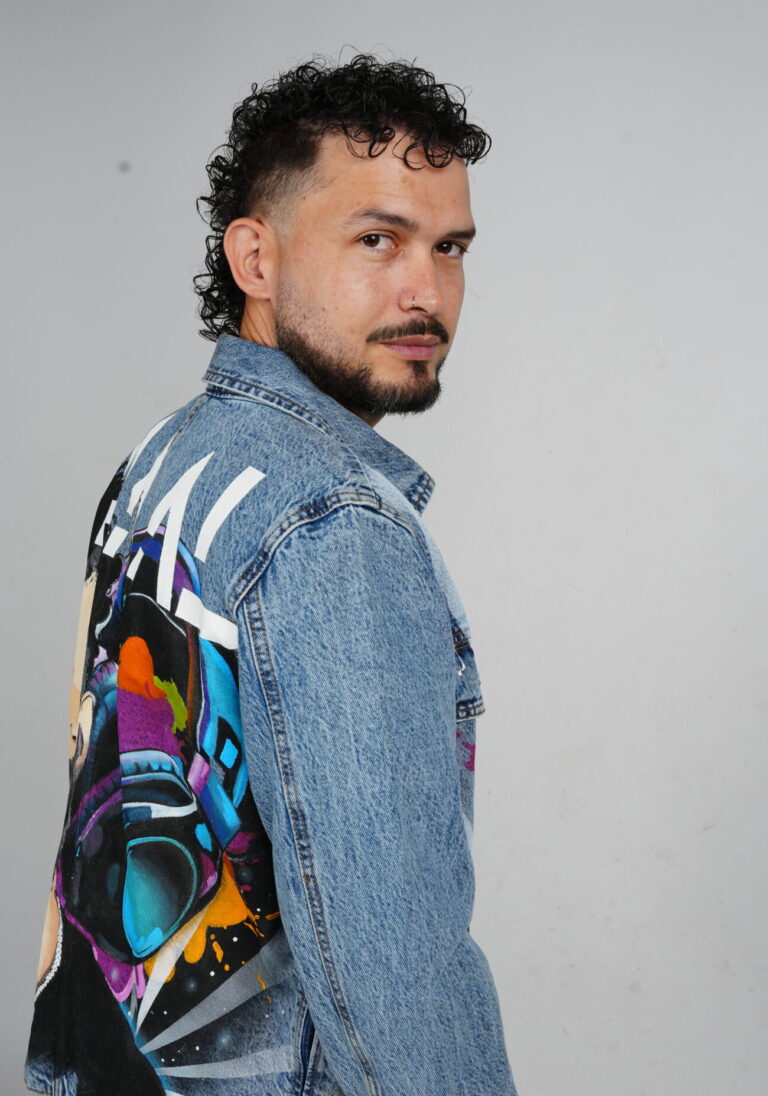
To close on a high note: what are your plans for returning to play on Brazilian stages, and what message do you leave for the readers of Colors DJ Magazine who follow your hustle around the world?
Returning to play in Brazil is in my plans for very soon. I have a strong desire to bring everything I’ve built over the last two years in Europe to the Brazilian public and perform across different stages around the country. Brazil is huge, featuring very different crowds and scenes, and I think it would be amazing to experience those dance floors and showcase my work in various places. I want to build this bridge between the career I’m developing in Europe and the Brazilian scene, bringing that experience back home and creating new connections there.
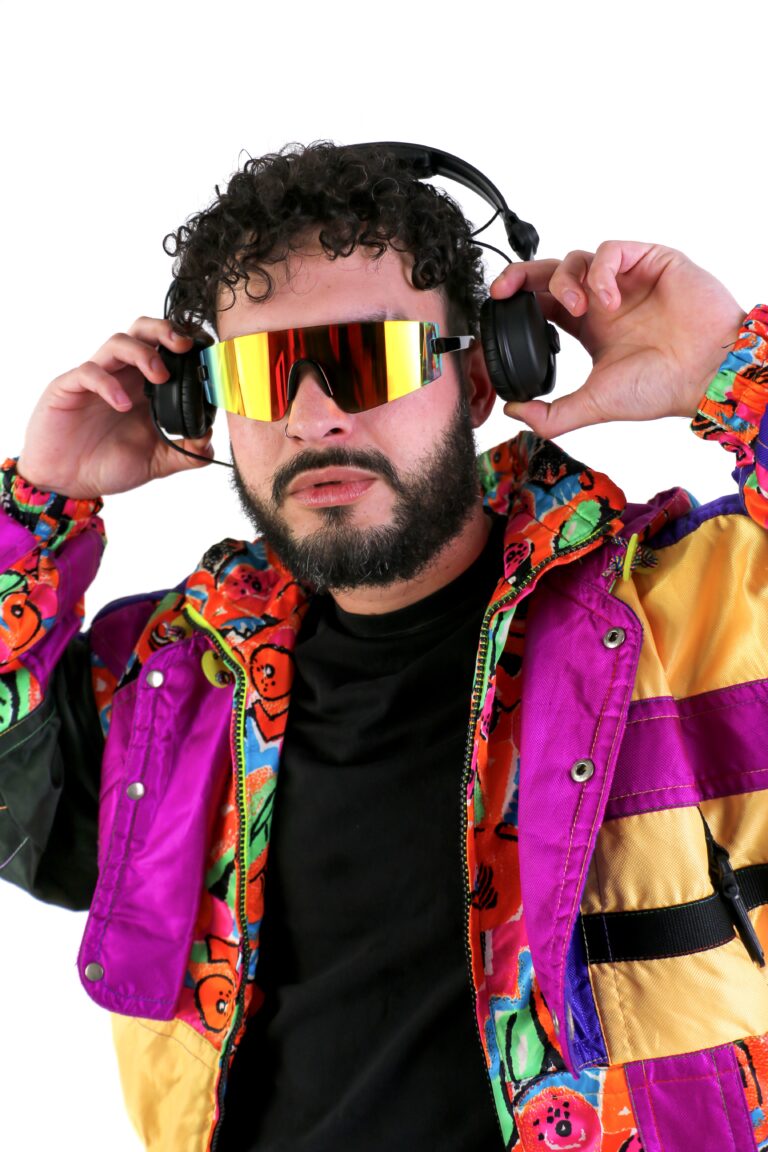
“Value these people, keep your essence, and continue showing your work with dignity and consistency. The results don’t always come on the timeline we expect, but if you keep working and doing things the right way, doors will eventually start to open.”